Venue Modernization · 8 min read
Modernizing an established venue without losing its character
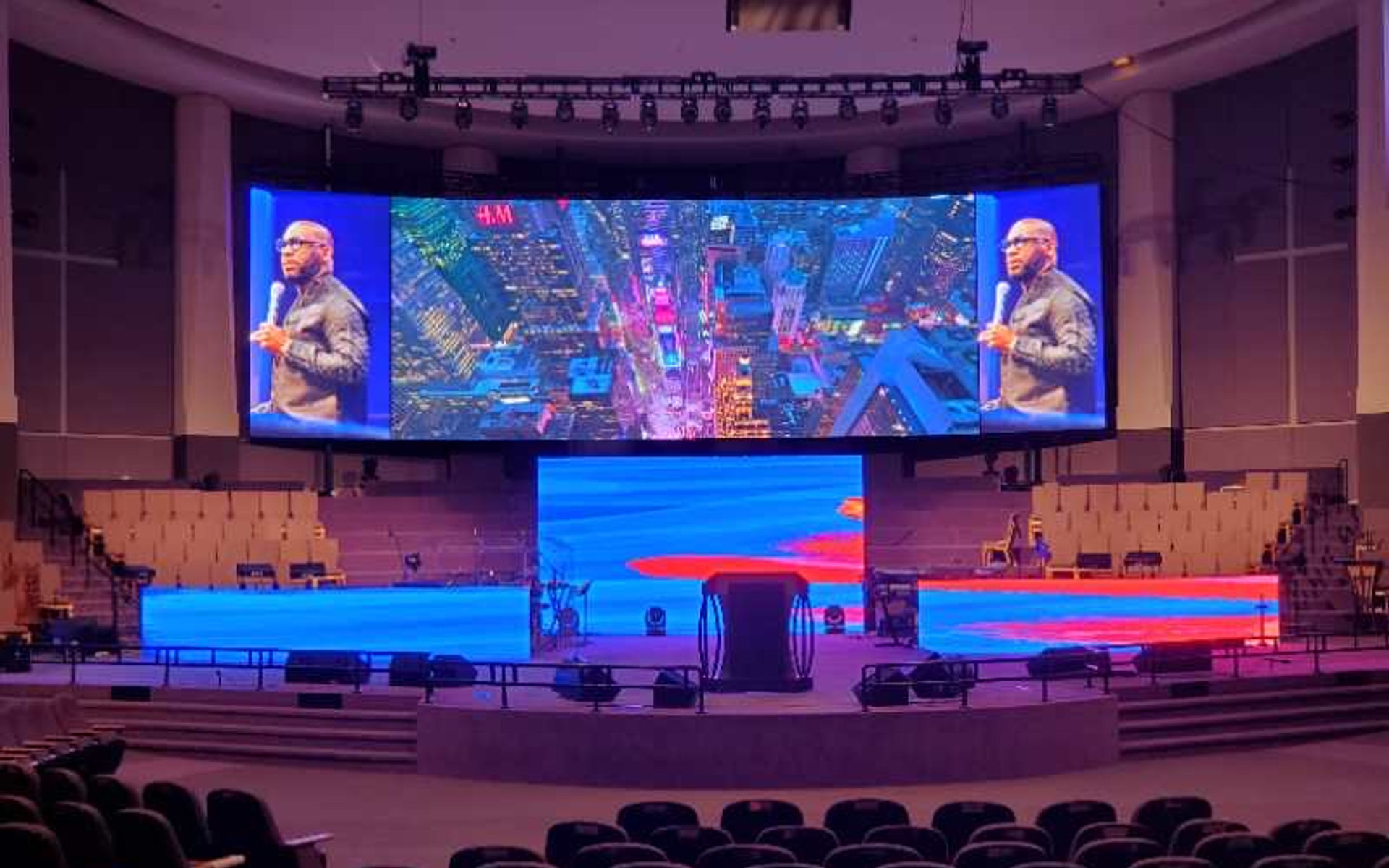
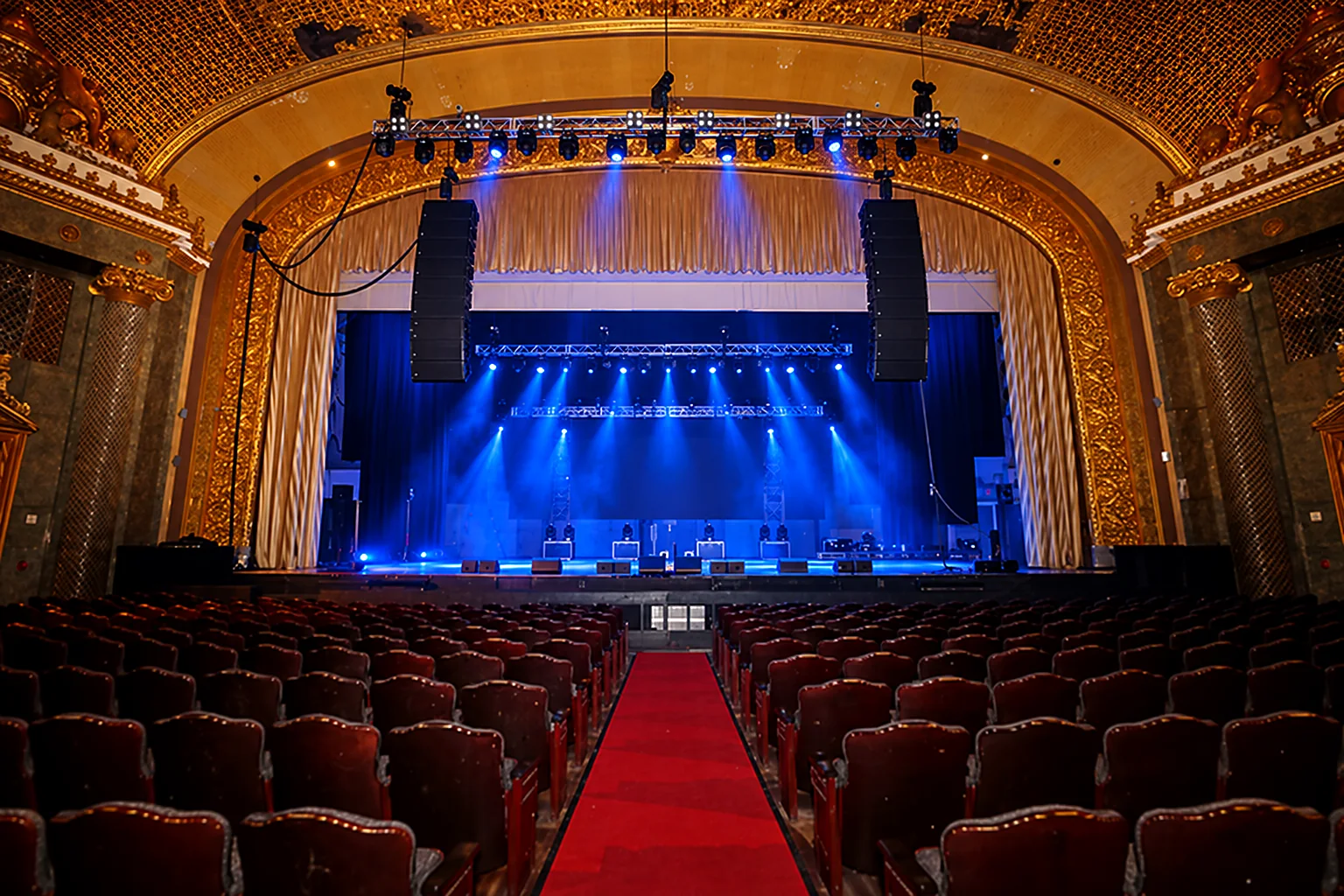
A successful modernization improves clarity, control and daily operation while respecting the architecture and working patterns that define the room.
Understand the room before proposing change
Established venues carry layers of infrastructure, operating habits and architectural decisions. Some still serve the room well; others limit coverage, control or maintainability.
A disciplined assessment separates symptoms from causes. It considers room behavior, existing pathways, equipment condition, sightlines, control positions and the needs of both resident operators and visiting teams.
- What must remain in service during the work
- Which infrastructure can be reused responsibly
- Where access or architecture limits conventional placement
- How the venue’s calendar affects phasing
Set priorities around audience and operator outcomes
Modernization is most useful when priorities are explicit: clearer coverage, stronger visual communication, more predictable control, better support for visiting productions or easier daily operation.
Those priorities help the project team compare options without defaulting to a wholesale replacement. They also create a practical basis for commissioning the completed work.
Coordinate new technology with existing architecture
Mounting, cable routing and equipment access should respect the room’s visual character and physical limits. That requires close coordination across technical disciplines and building trades.
Serviceability matters too. A discreet installation that cannot be accessed safely or maintained efficiently creates a different long-term problem.
- Architectural alignment and visual impact
- Safe mounting and service access
- Power, data and signal pathway coordination
- Integration with retained systems
Phase work without losing the system story
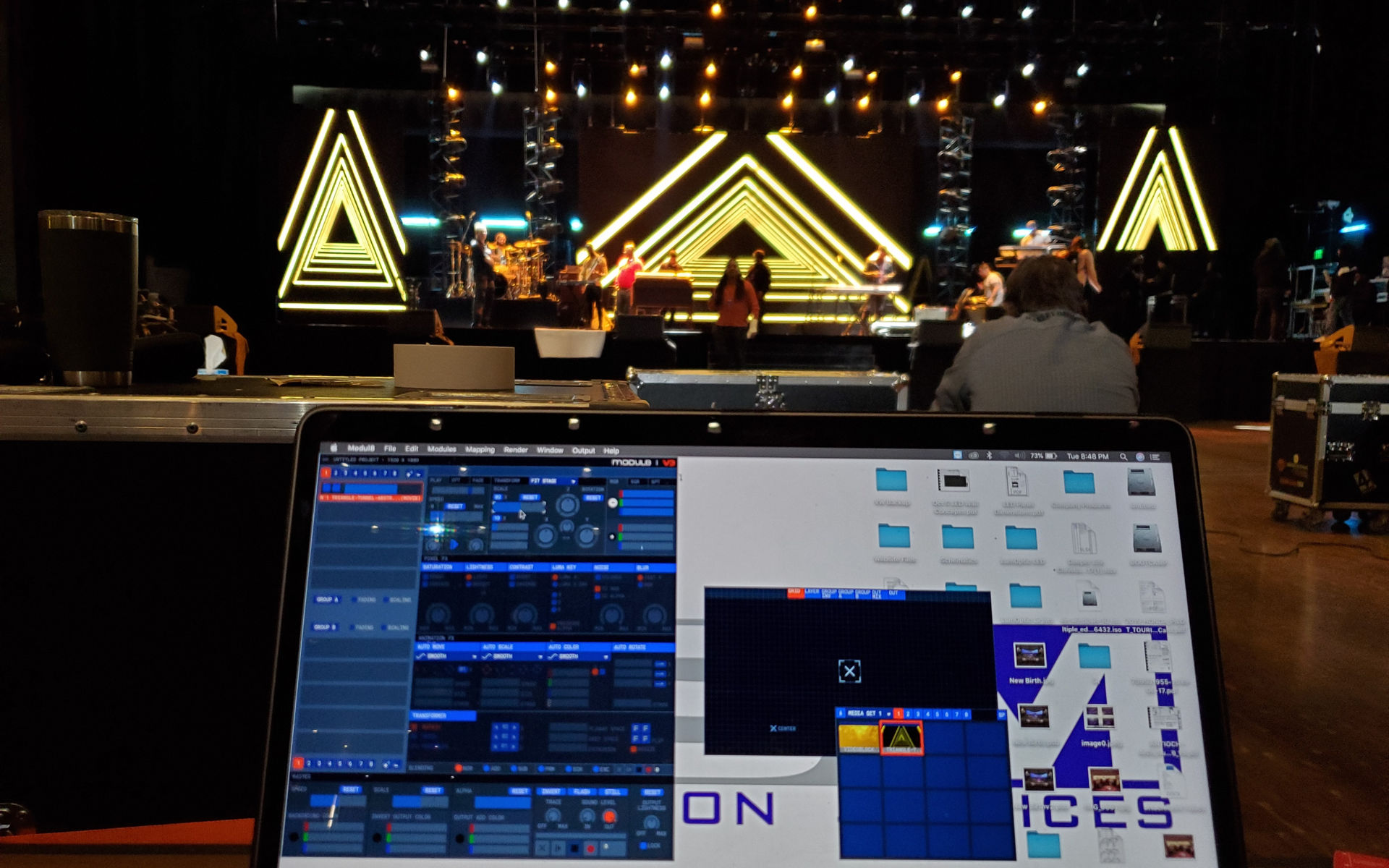
When a venue must remain active, phasing can separate infrastructure, control, audio, video and lighting work. Each phase should still move toward one documented end state.
Clear temporary operating plans, testing milestones and handover requirements help the venue continue working while avoiding a collection of disconnected upgrades.