Live Production · 6 min read
When live production support is the right extension of your system
Permanent systems should handle the room’s regular work. Temporary production support becomes valuable when a program exceeds that everyday operating envelope.
Begin with the installed system’s design basis
A well-planned permanent system has a defined operating range: room configurations, audience areas, inputs, presentation modes and staffing assumptions. Many programs should fit comfortably inside it.
The first step is to compare the upcoming program with that design basis. This avoids renting complexity that the room does not need—and exposes genuine gaps early enough to solve them well.
Look for meaningful changes in scale or format
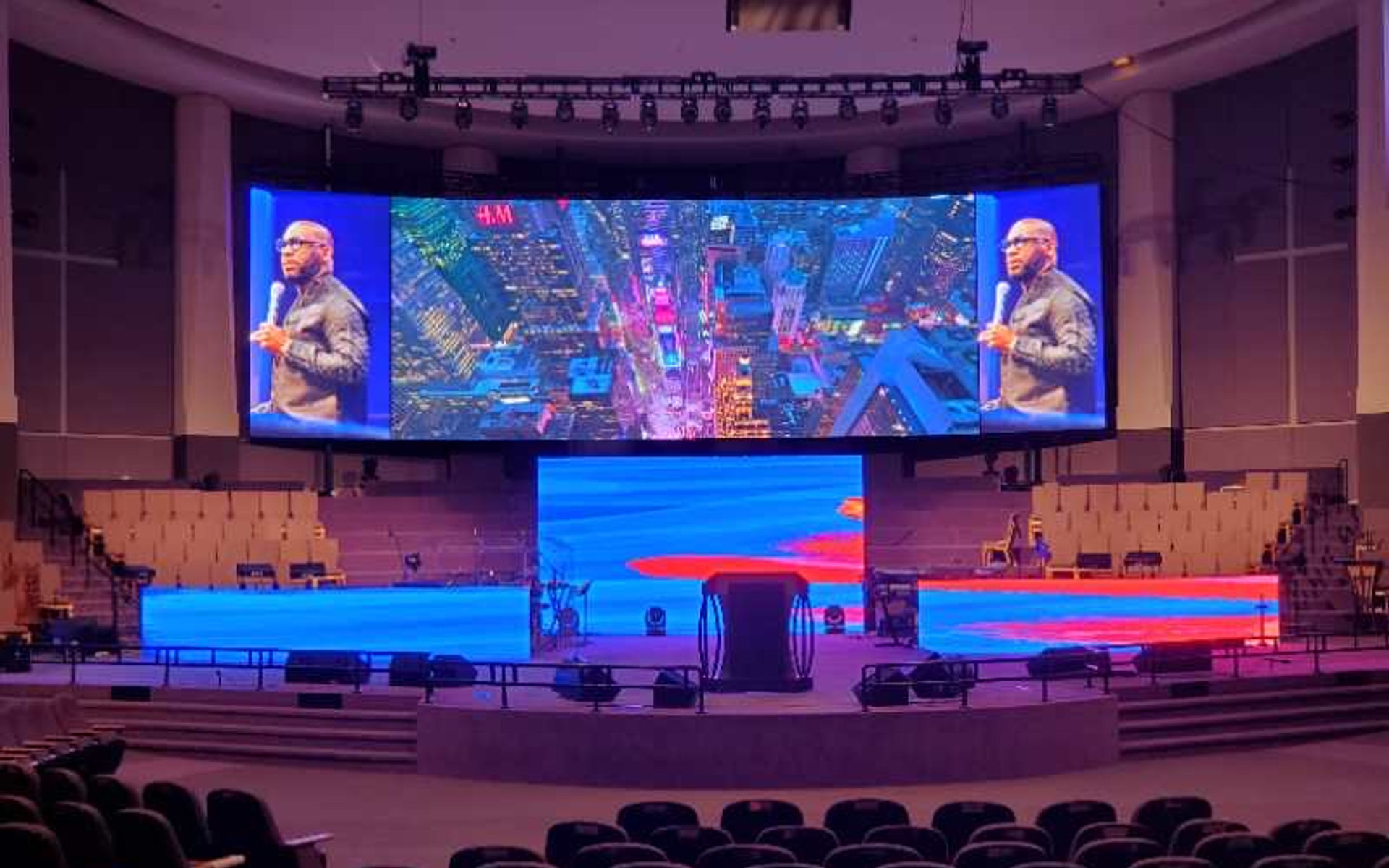
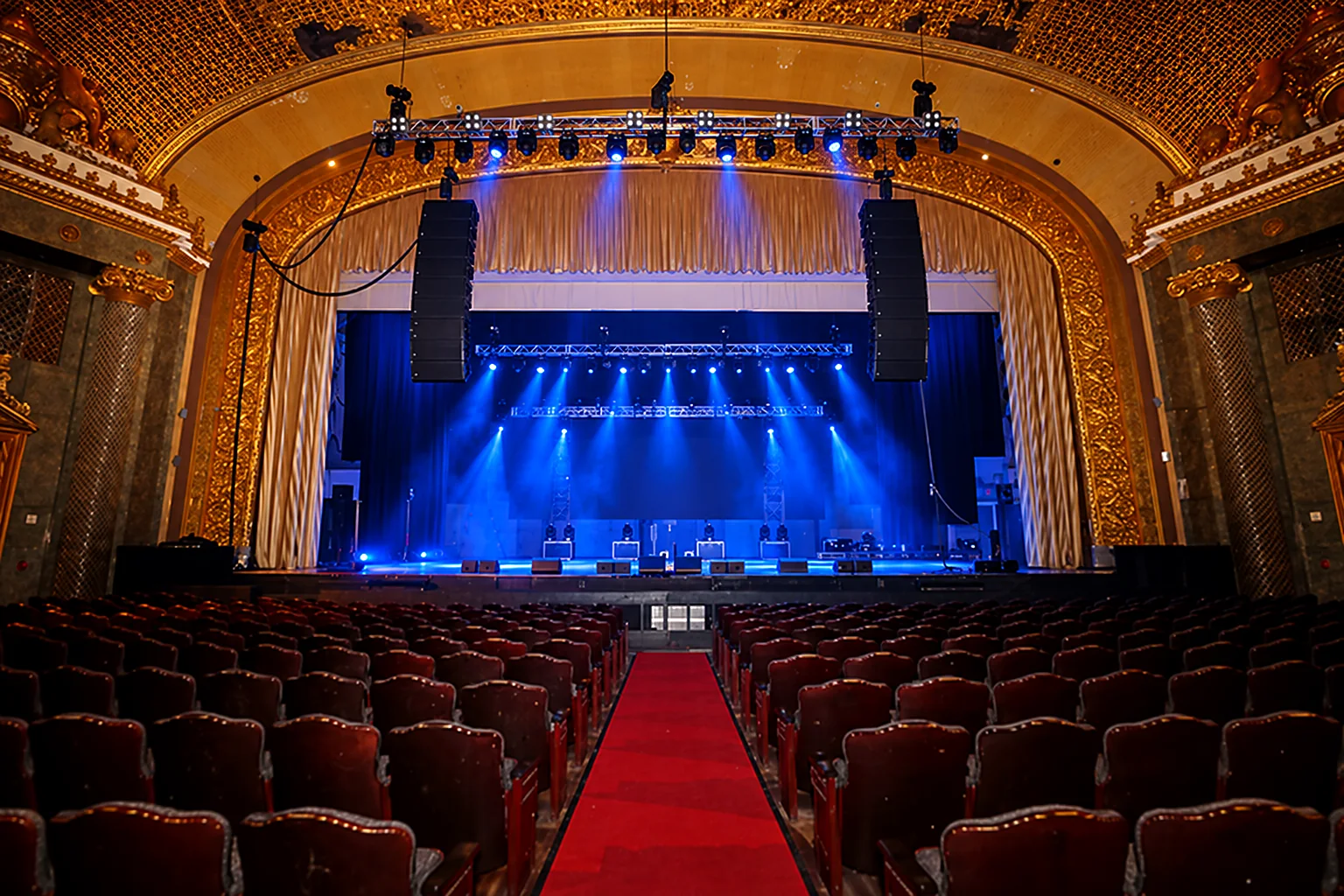
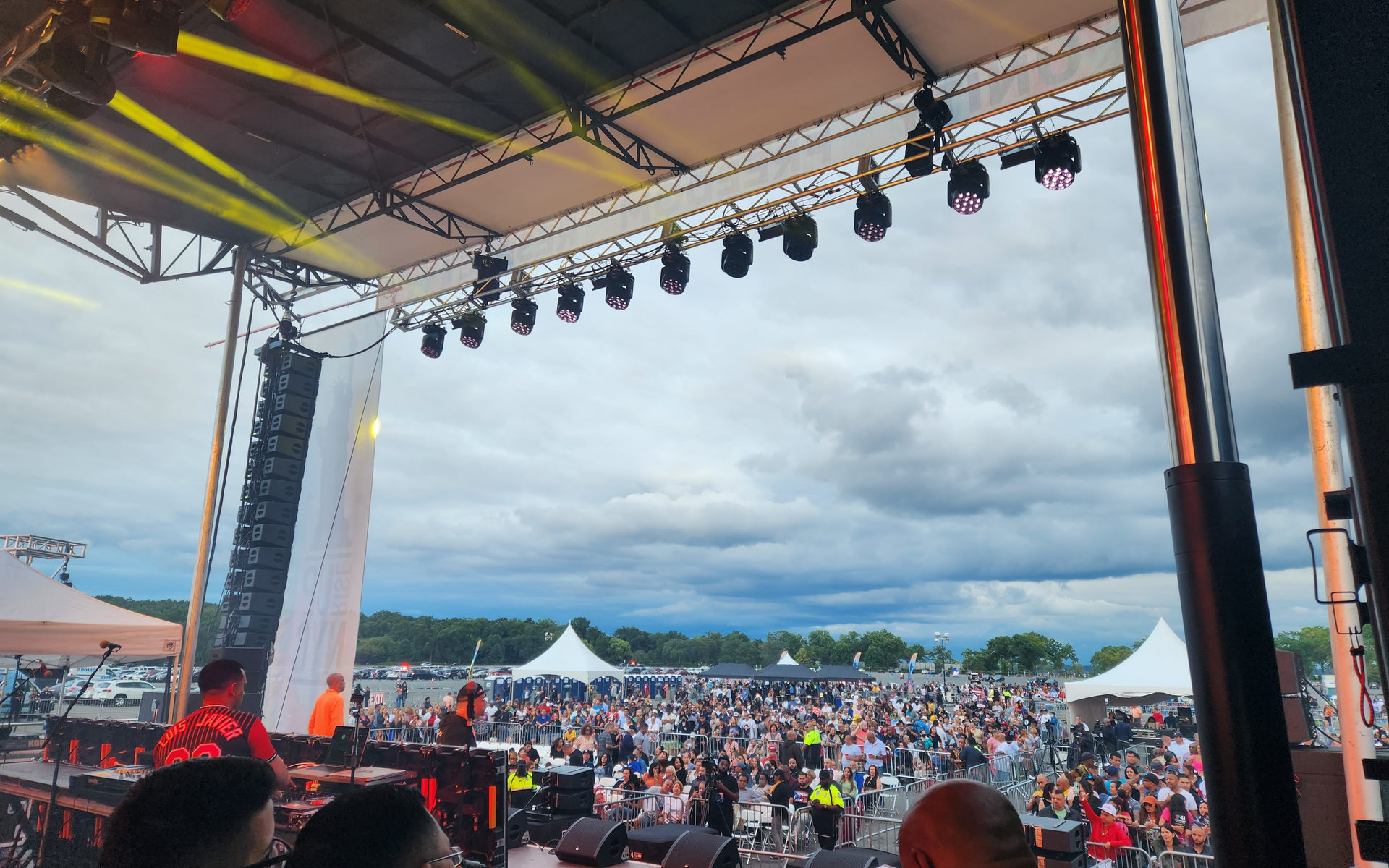
Additional support may be appropriate when an event changes the audience footprint, adds a stage or overflow area, introduces a larger performance input list, requires a broadcast workflow or places unusual demands on lighting and video.
The question is not whether the event feels important. It is whether its technical requirements differ materially from the room’s normal operating model.
- Expanded audience or alternate room layout
- Additional performance, playback or presentation sources
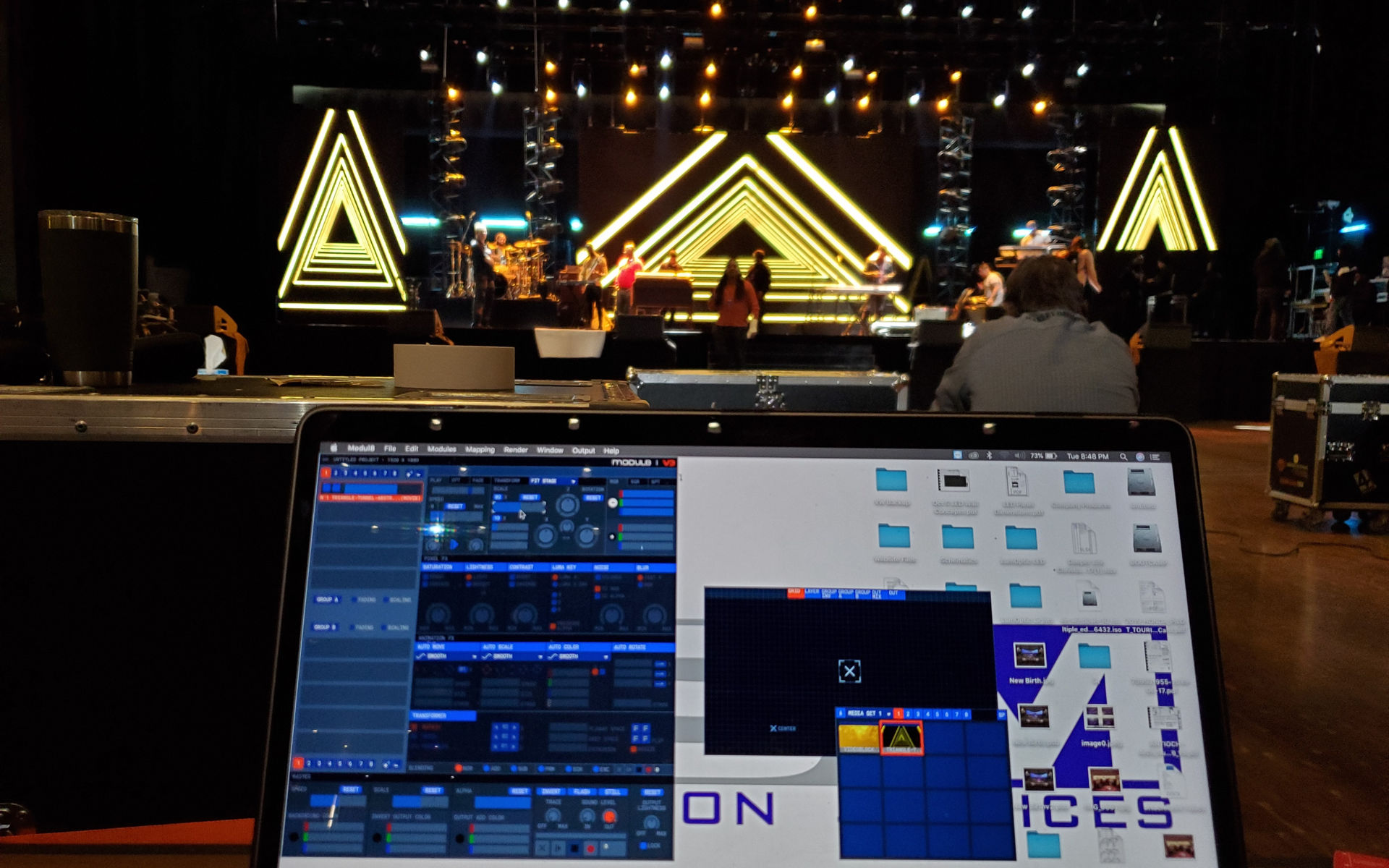
- Broadcast, recording or remote contribution requirements
- Temporary staging, lighting or display needs
Consider schedule, staffing and risk
A technically capable room may still need production support when turnaround is compressed, visiting artists require coordination or the internal team cannot cover every operating position.
A clear production lead can align schedules, crews, equipment and handoffs. Redundancy should be based on the consequence of a failure and the program’s actual critical paths, not added as a generic layer.
Protect the permanent investment
Temporary systems should integrate with the installed environment through planned connection points and documented boundaries. Visiting teams need to understand what they may use, what remains under venue control and how signals move between systems.
That coordination protects settings and infrastructure while allowing the event to scale. Afterward, the permanent room should return cleanly to its normal operating state.